
Algae vs. Nutrients: Does Fertilizer Really Cause Algae Outbreaks?
It’s the most persistent myth in the aquarium hobby. You see a patch of green hair algae or a smear of brown film on your glass, and your first instinct is to stop dosing your fertilizer. "I'm just feeding the algae," you tell yourself. It seems logical—algae are plants, fertilizers feed plants, therefore fertilizers feed algae.
But what if I told you that in many cases, stopping your fertilizers is exactly what the algae wants you to do?
The relationship between nutrients and algae is one of the most misunderstood topics in aquascaping. If you want to keep a clean, vibrant tank, you need to understand that algae is not a nutrient problem—it is a balance problem. Let's peel back the curtain on why your green slime is actually there and how dosing correctly can be your best defense.
The Scavenger Theory
To understand algae, you have to understand the metabolic difference between a Java Fern and a strand of Hair Algae. Higher plants (the ones we pay money for) are complex machines. To grow, they need light, CO2, and a full suite of Macro and Micro nutrients. If even one of those things is missing, the plant "stalls." It stops growing, its tissues begin to leak organics, and it becomes a stationary target.
Algae, on the other hand, is primitive and opportunistic. It doesn't need a full-course meal to thrive. It can survive on the tiny scraps that your stalled plants are leaking. When you stop dosing fertilizer because you see algae, you further starve your desirable plants. They stall harder, leak more, and the algae grows even faster. You’ve created a death spiral.
The Real Triggers: It’s Not Nutrients
If nutrients don't cause algae, what does? Science and experience point to three main culprits that are far more dangerous than Nitrates or Phosphates:
1. Light (Specficially, Too Much)
Light is the gas pedal of your aquarium. If you floor the pedal (high light) but don't have enough nutrients or CO2 (fuel) to support that speed, the plants will crash. Algae, however, loves high light and can bloom even in nutrient-poor water. Most algae issues are solved by turning down the intensity or duration of your lights, not by cutting your fertilizer.
2. Unstable CO2
In high-tech tanks, fluctuating CO2 levels are the #1 cause of Black Beard Algae (BBA). When CO2 levels swing up and down, plants cannot adjust their metabolism fast enough, causing them to stress and leak nutrients—inviting the algae to move in.
3. Poor Tank Maintenance (Organic Waste)
Ammonia is the single biggest trigger for algae blooms. Even tiny amounts that are too small for your test kit to detect can trigger an outbreak. This is why "New Tank Syndrome" always comes with a side of brown diatom algae and green water. Rotting leaves, overfeeding, and clogged filters are "algae fuel" far more potent than any bottled fertilizer.
The Phosphate Myth
For years, the hobby blamed Phosphates (PO4) for algae. While high phosphates *can* contribute to an existing bloom, they do not cause it. In fact, many professional aquascapers dose their tanks with high levels of Phosphates (3ppm+) to encourage strong root growth and prevent Green Spot Algae. The "low phosphate" movement of the 90s has largely been debunked by the success of modern dosing methods like the Estimative Index.
How to Dose Without Feeding Algae
So, how do you provide for your plants without turning your tank into a swamp? The secret lies in Precision and Consistency.
- Don't Zero Out: Never let your Nitrates or Phosphates hit zero. When they hit zero, your plants stall, and algae takes over. Keep Nitrates around 10-20ppm and Phosphates around 1-2ppm.
- Consistency is Key: Plants are creatures of habit. Dosing a massive amount once a week is worse than dosing a small amount every day. Daily dosing prevents "peaks and valleys" in nutrient levels that benefit the more adaptive algae.
- Know Your Water Volume: This is the most critical step. Overdosing fertilizers by 20% because you didn't account for substrate and rock displacement is a recipe for trouble. Not because the nutrients cause algae, but because they raise the TDS (Total Dissolved Solids) and stress the plants.
Summary: Focus on the Plants, Not the Slime
The best way to get rid of algae is to grow healthy plants. Healthy plants move water, produce oxygen, and absorb nutrients at a rate that leaves nothing behind for the scavengers. Don't fear your fertilizer bottle—fear an imbalanced tank. Master your light, stay on top of your water changes, and use a precision calculator to ensure your dosing is perfectly matched to your water volume.
Grow Plants, Stop Algae
Balanced dosing is the ultimate algae killer. Calculate your precision dose based on your actual water volume today.
Get Your Precise Dose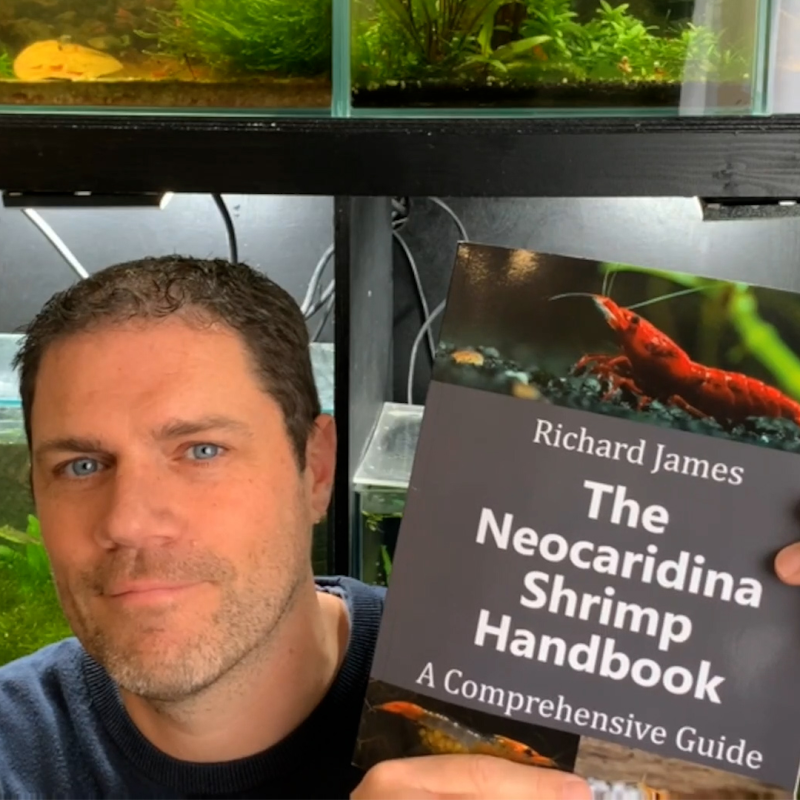
Written by Richard James
Aquarist, author, and creator of ShrimpKeeper.co.uk. Helping hobbyists achieve professional results through precision dosing.
View My YouTube Channel & Books →