
Treating Sensitive Fish: Dosing eSHa Exit for Loaches and Corys
I'll be honest: seeing Ich spots on a Clown Loach is a special kind of stress. You know they're sick, but you also know that many Ich meds are basically "drain cleaner" for scale-less fish. Traditional treatments often rely on high concentrations of Malachite Green or Formalin (Formaldehyde), which can be genuinely lethal to Corys and Loaches if the dose is slightly off.
The good news? eSHa Exit is remarkably different. It’s been my go-to for years for "naked" fish, but you still need to follow a few real-world rules to make sure you get the cure without the casualties. This guide breaks down the science and the strategy for treating your the most sensitive inhabitants safely.
Why are they so "Sensitive"? (The Skin Factor)
Most fish are covered in hard, overlapping scales that act like a protective leather jacket. Loaches, Corydoras, and many Catfish (like Plecos) are technically "scale-less" or have very small, thin scales. Their skin is more like a silk shirt: porous and highly absorbent.
When you add medication to the water, these fish don't just swim in it; they absorb it through their skin much faster than a Guppy or a Tetra would. A dose that kills the parasite in a standard fish might hit the bloodstream of a Loach like a freight train, leading to chemical burns or neurotoxicity.
The eSHa Exit "Magic"
What I love about Exit is that it doesn't try to "nuclear bomb" the tank. It uses a refined blend of active ingredients (including Ethacridine lactate and Malachite green oxalate in safer ratios) that is less aggressive on skin tissue but still lethal to the free-swimming Ich trophonts. It's a surgical strike, not a carpet bomb.
The "Temperature Trap": Avoid This Common Mistake
Standard Ich advice is to "crank the heat to 30°C (86°F)." While this speeds up the Ich lifecycle, it is dangerous for sensitive fish during treatment. Hot water holds less oxygen.
When you combine high heat (low oxygen) with medication (which also stresses the gills), you create a hypoxia trap. Loaches and Corys—who often live in highly oxygenated streams-will be the first to suffer. If you must raise the temperature, do it slowly and never exceed 28°C (82°F) while dosing medication.
Safe Dosing Protocol: The 5-Day Plan
For sensitive species, consistency and caution are your best weapons. Here is my battle-tested 5-day routine:
- Day 0 (Prep): Perform a 25-30% water change. Vacuum the gravel—this is where the Ich "cysts" (tomonts) live. Remove carbon from your filter.
- Day 1 (Initial Dose): Use the standard Day 1 dose. Do not half-dose. However, implement the "Staggered Entry" (see below).
- Day 2 & 3 (Follow-up): Use the Day 2/3 doses. Ensure the water is "shimmering" with surface agitation for maximum oxygen.
- Day 4 & 5 (The Buffer): Even if spots are gone, Ich might still be in the substrate. Extend treatment for two extra days at the "Day 2" dose level if you are dealing with a heavy infestation.
Expert Tip: The "Staggered Entry"
Instead of dumping the full day's dose in at once, mix your drops into a liter of tank water. Slowly pour this mixture into the filter output over a 30-minute period. This prevents "chemical shock" and allows the fish's mucous membrane to adjust gradually.
Species-Specific Considerations
1. Clown Loaches (Chromobotia macracanthus)
These are "Ich magnets." They often hide in caves, meaning you might miss the first spots. If one has it, they all do. Because they are social, they tend to spread it fast. They respond very well to eSHa Exit, but they must have dark hiding spots to reduce stress during treatment.
2. Corydoras
Corys are highly sensitive to heavy metals. While eSHa Exit is copper-free, they can still react to the dyes. Watch for "flashing" (darting and rubbing against objects) immediately after dosing. If they become hyperactive, it's a sign of skin irritation.
3. Otocinclus
Otos are often the "canary in the coal mine." They are usually wild-caught and have very low body fat. They cannot survive being starved during medication. If you are treating Otos, ensure they have access to blanched zucchini or algae wafers so they don't waste away while fighting the infection.
4. Baby Fish and Fry
If you are treating a tank with fry under 1cm in length, use caution. Their organs are still developing and they lack the metabolic "insurance" of an adult. For fry, I typically recommend a 50% dose but extended over twice the duration.
5. Rays and Knifefish (Black Ghost Knifes)
These fish have a very sophisticated nervous system and electrical sensory organs that can be highly irritated by even "safe" meds. If treating these, the staggered entry method isn't just a tip—it’s mandatory. Monitor for any spasmodic swimming or loss of hovering ability.
The Oxygen Mandate
Medication reduces the water's ability to hold dissolved oxygen. Scale-less fish already breathe hard when stressed. Add an extra air stone. It is the cheapest insurance policy you can buy for your fish's life.
Signs of Stress to Watch For
Monitor your fish for 60 minutes after every dose. Perform an immediate 20% water change if you see:
- Fish hanging at the surface gasping (not just Corys doing their occasional "gulp").
- Loss of color (turning grey or pale).
- Spinning or loss of equilibrium.
Aftercare: Restoring the Balance
Once the treatment is complete:
- Add fresh activated carbon to your filter for 48 hours to remove the remnants of the dye.
- Perform a 50% water change to reduce the organic load from dying parasites.
- Keep the lights off for an extra day to let the fish recover their nerves.
Final Verdict
eSHa Exit is the "gold standard" for treating Ich in tanks with sensitive bottom-dwellers. It respects the delicate biology of Loaches and Corys while remaining ruthless to parasites. Follow the staggered dosing, keep the oxygen high, and don't skip the follow-up doses—prevention of a relapse is just as important as the initial cure.
Calculate Your Exit Dose
Precision is vital for sensitive fish. Use our calculator to determine the exact number of drops needed for your aquarium's actual water volume.
Go to eSHa Exit Calculator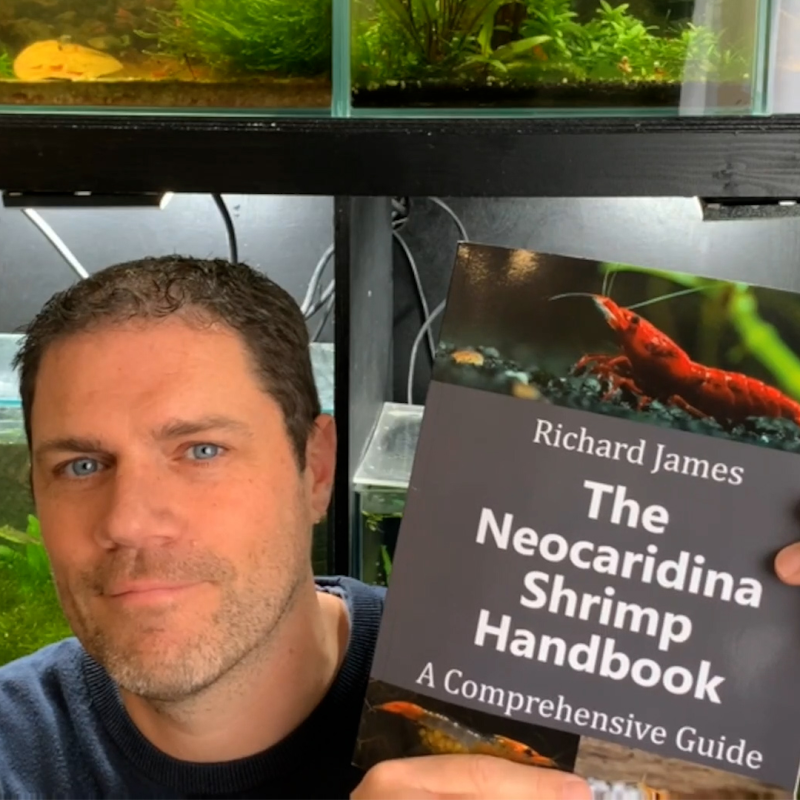
Written by Richard James
Aquarist and author specializing in disease prevention and treatment. Keeping your aquarium healthy one drop at a time.
View My YouTube Channel & Books →